
DOMESTIC SOLAR PANELS IN PONTYPOOL & SOUTH WALES.
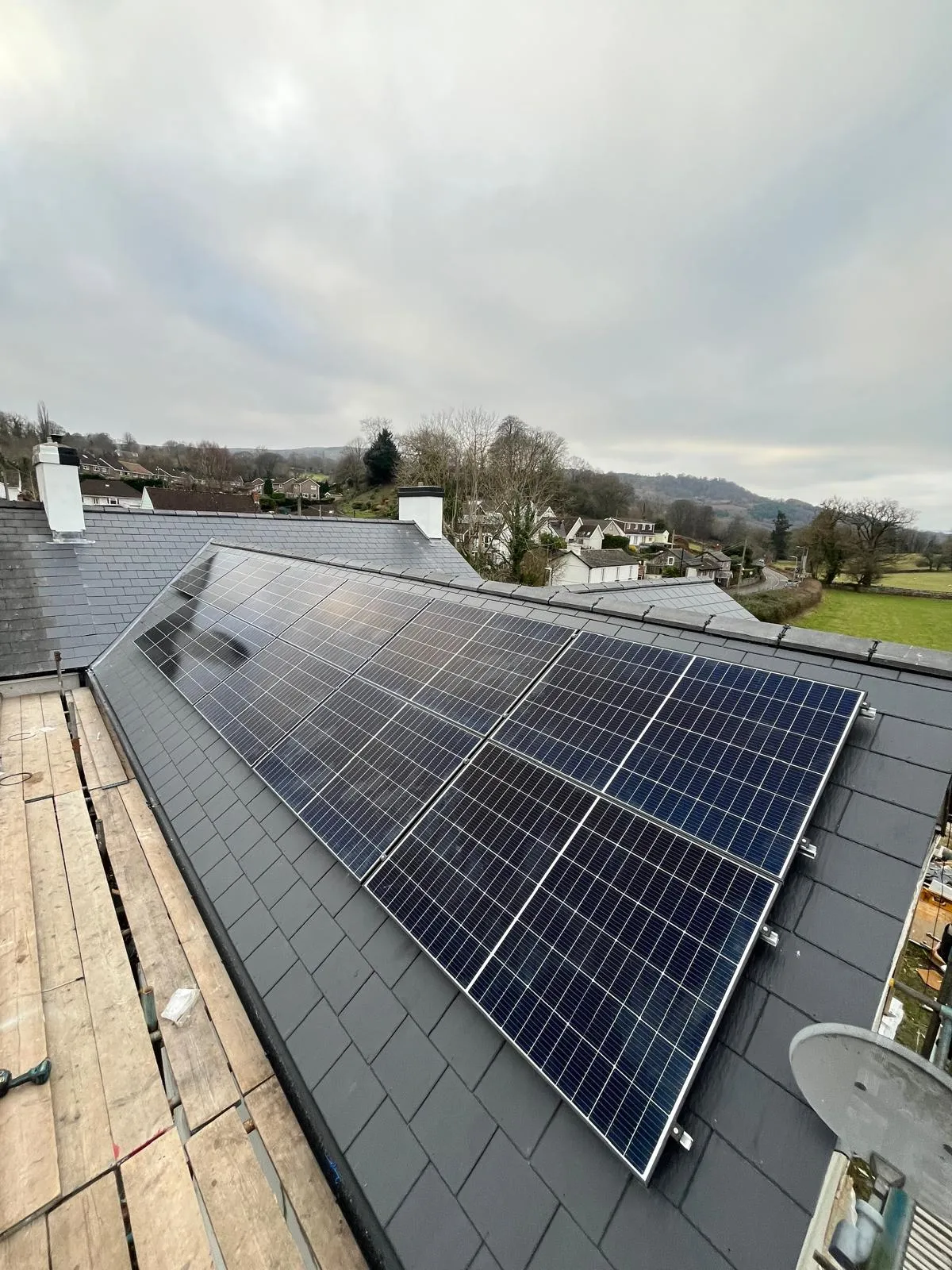
HOME SOLAR INSTALLERS
If you're paying more for electricity every year and wondering whether solar panels actually make sense for your home, you're not alone. Domestic solar has moved well beyond a niche, early-adopter choice - it's now one of the most reliable ways for homeowners across Pontypool and South Wales to bring their energy bills down and take back some control over rising prices.
BS Renewables designs and installs domestic solar PV systems tailored to your roof, your household's usage, and what you're actually trying to achieve - whether that's the lowest possible bills, maximum energy independence, or the best long-term return.
IS MY HOME SUITABLE FOR SOLAR PANELS?
Most homes are - but "most" isn't "all," which is why we survey before we quote rather than the other way round. The main factors are:
Roof orientation - south-facing roofs perform best, but east and west-facing roofs can still work well, especially with the right panel layout.
Roof condition - we check that your roof can take the weight and won't need work doing shortly after installation.
Shading - trees, chimneys, or neighbouring buildings can reduce output, but often not by as much as people assume.
Roof space - determines how large a system you can fit, and therefore how much of your usage it can offset.
If you're unsure, the easiest way to find out is a proper survey rather than guesswork - get in touch, and we'll take a look.
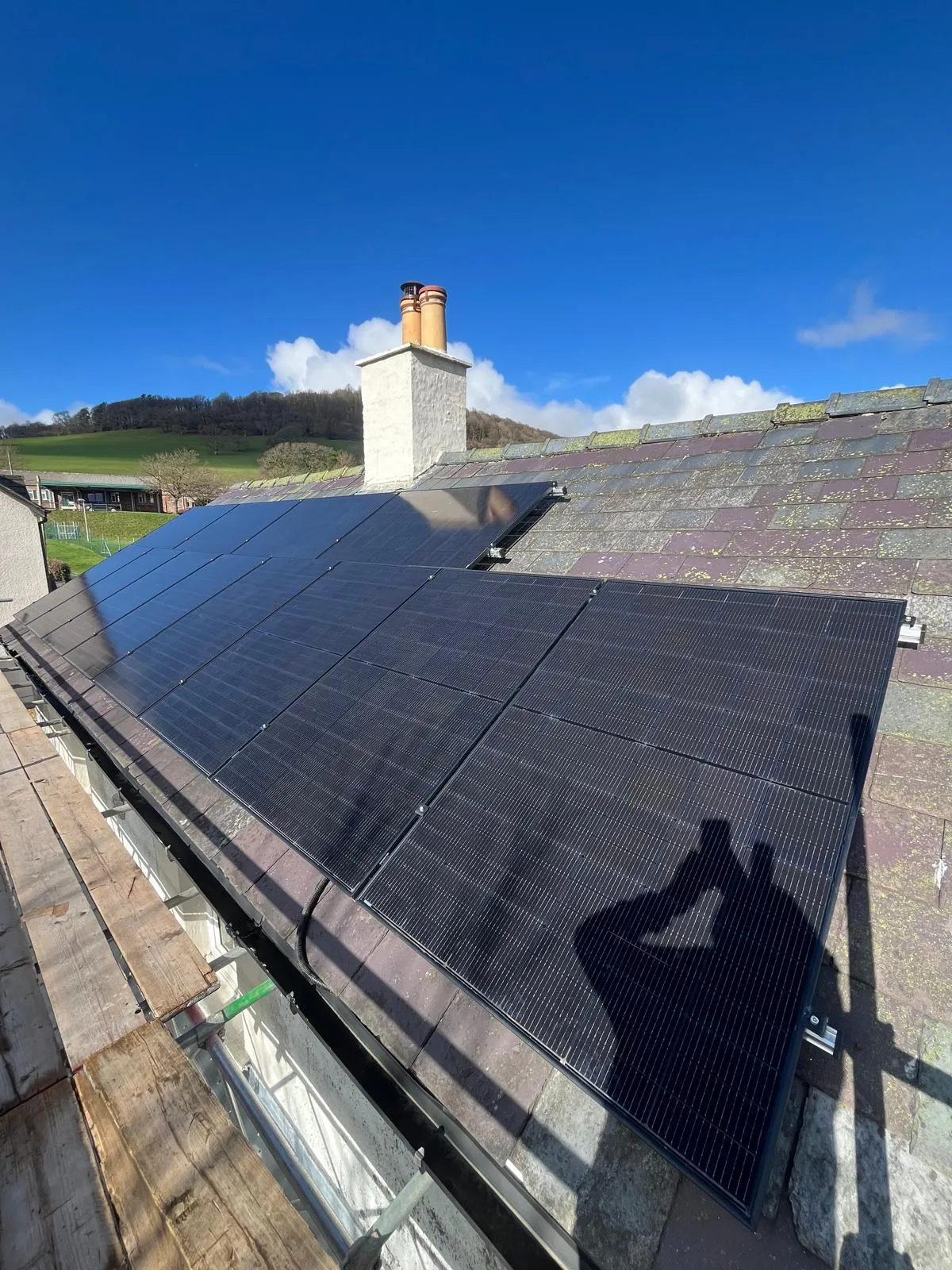
WHY CHOOSE BS RENEWABLES FOR YOUR HOME SOLAR INSTALLATION
We're MCS certified, NAPIT registered, TrustMark approved, and REC members - the accreditations that protect your warranty, your consumer rights, and your SEG eligibility.
We've installed domestic solar across South Wales for over 10 years - meaning we've already dealt with the roof types, network operators, and planning quirks specific to this region.
We design around your household, not a generic package - every quote follows a proper survey, not a price list.
We're local, and we stay local - our team lives and works in this area, so aftercare doesn't disappear once the invoice is paid.
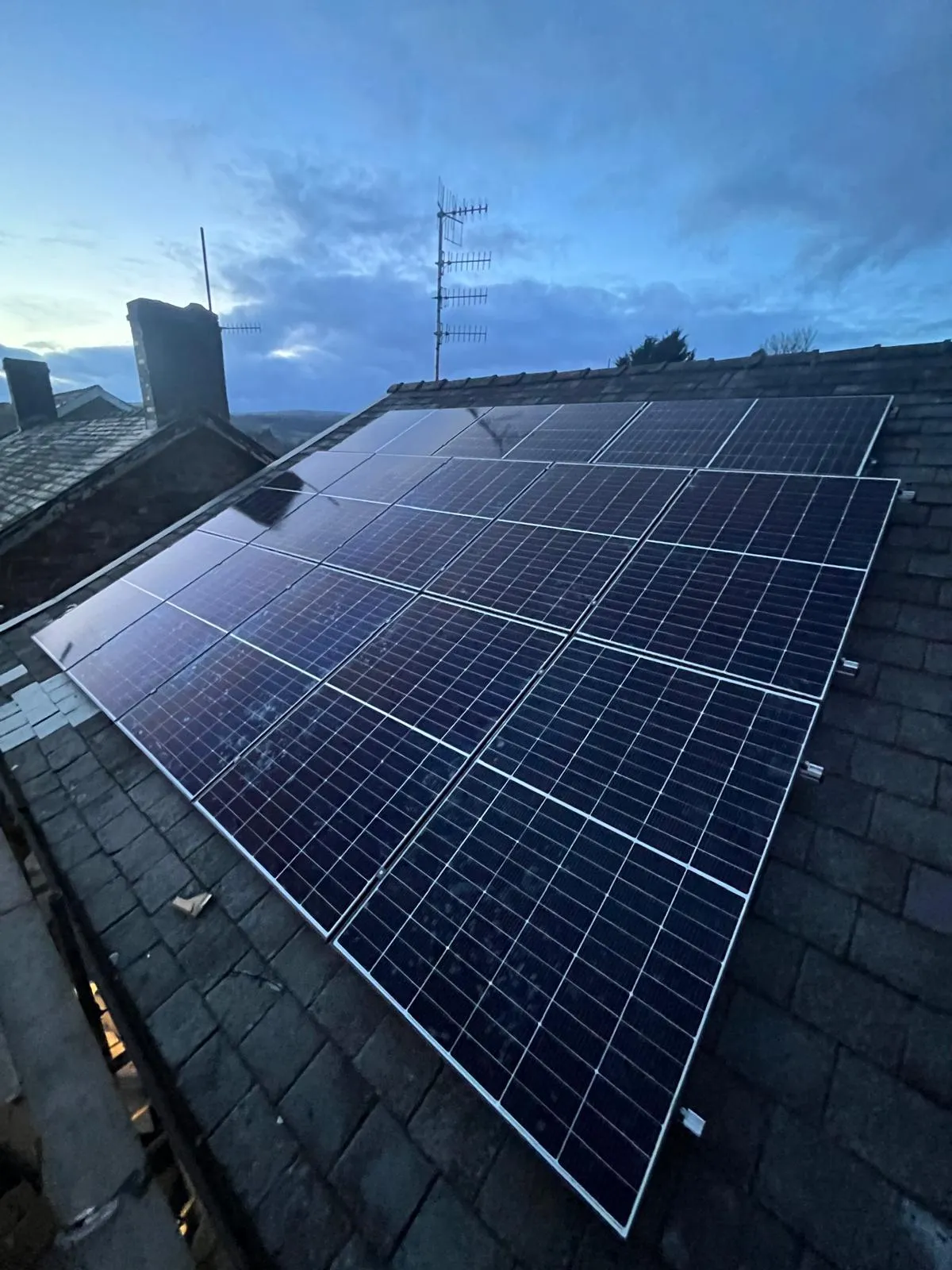
WHAT'S INCLUDED IN A DOMESTIC SOLAR INSTALLATION?
Site survey - assessing your roof, shading, and current electricity usage.
Bespoke system design - sized to your household, not an off-the-shelf package.
Solar panels - from established, reliable manufacturers.
Inverter - converting the DC electricity your panels generate into usable AC power.
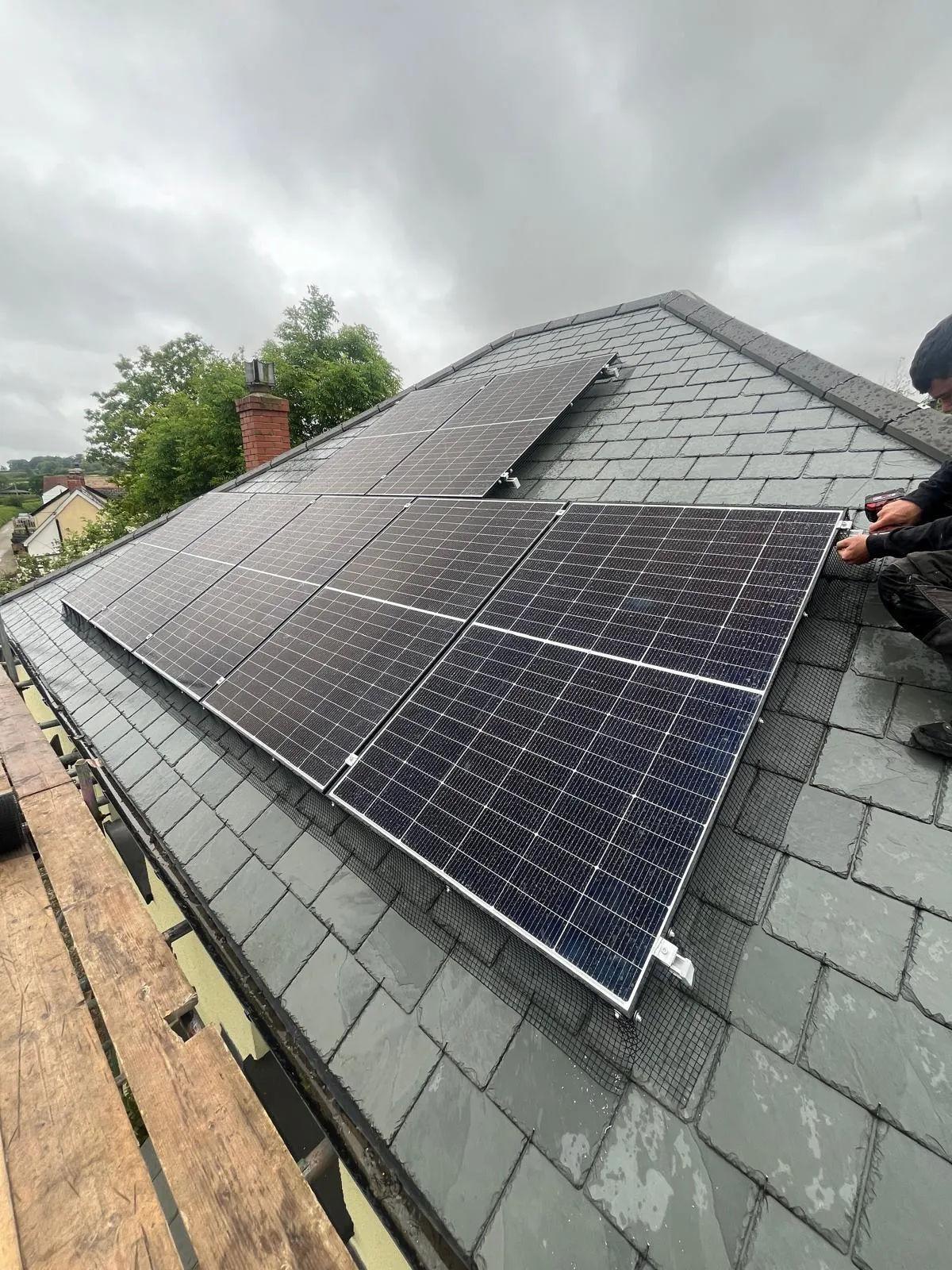
Full installation - carried out by our own MCS-certified team, not subcontractors.
Testing and commissioning - including all necessary paperwork for building control and your energy supplier.
Smart Export Guarantee (SEG) support - so you can get paid for the electricity you export back to the grid.
OUR INSTALLATION PROCESS
Enquiry - tell us a bit about your property and what you're hoping to achieve.
Survey - we assess your roof, shading, consumer unit, and usage.
Design and quote - a system designed for your home, with a clear, no-obligation quote.
Installation - usually completed in a day, by our own accredited team.
Commissioning and paperwork - testing, building control notification, and SEG registration handled for you.
Aftercare - we're still here if you have questions once you're living with the system.
FAQ'S
How much do domestic solar panels cost?
It depends on system size, your roof, and whether you're adding battery storage. We provide a free, no-obligation quote after a proper survey rather than a generic price list.
How much can I save on my energy bills with solar panels?
Savings depend on your system size, usage patterns, and how much of your generation you use versus export - we'll talk you through realistic expectations for your specific property during your quote.
Do I need planning permission for solar panels?
Most domestic solar installations fall under permitted development and don't need planning permission, though there are exceptions (listed buildings, conservation areas, certain roof types). We'll flag this during your survey if it applies to you.
How long do solar panels last?
Solar panels typically come with performance warranties of 20–25 years and can continue generating well beyond that, though output gradually declines over time.
Do solar panels work on cloudy days?
Yes - panels generate electricity from daylight, not just direct sunshine, though output is higher on brighter days.
Should I add battery storage?
Solar panels generate electricity while the sun's up - which doesn't always match when your household actually uses the most power (mornings and evenings, typically). Battery storage lets you store the electricity you generate during the day and use it later, rather than exporting it to the grid for a lower rate than you'd pay to buy it back.
Can I add battery storage later if I don't want it now?
In most cases, yes - many systems can be designed to allow a battery to be added later, which we can discuss at the quote stage.
GET A FREE, NO-OBLIGATION SOLAR QUOTE
Find out what solar could do for your home - get in touch for a straightforward conversation and a proper quote, not a sales pitch.

John Doe
Finance Manager
Lorem ipsum dolor sit amet, consectetuer adipiscing elit. Aenean commodo ligula eget dolor. Aenean massa. Cum sociis natoque penatibus magnis parturient montes nascetur mus.

John Doe
Finance Manager
Lorem ipsum dolor sit amet, consectetuer adipiscing elit. Aenean commodo ligula eget dolor. Aenean massa. Cum sociis natoque penatibus magnis parturient montes nascetur mus.

John Doe
Finance Manager
Lorem ipsum dolor sit amet, consectetuer adipiscing elit. Aenean commodo ligula eget dolor. Aenean massa. Cum sociis natoque penatibus magnis parturient montes nascetur mus.
At BS Renewables, we specialise in domestic solar, commercial solar and battery storage solutions. Our solar panel installers serve a wide range of areas, including South Wales and South West England.